



5-HT7 Receptor
5-HT7 receptor (5-HT7R) is a G protein-coupled serotonin receptor encoded by HTR7 that primarily activates Gs-dependent adenylyl cyclase signaling and increases intracellular cyclic AMP, thereby regulating neuronal excitability, synaptic plasticity, circadian rhythm, learning, memory, and mood-associated functions[1][2]. The receptor also engages ERK/MAPK, Akt, mTOR, and Rho GTPase pathways through G protein-dependent mechanisms, linking serotonergic neurotransmission to cellular remodeling and neuroplasticity processes relevant to central nervous system function[3]. Mechanistically, 5-HT7R displays functional interactions with 5-HT1A receptors, and heterodimerization can alter downstream signaling, distinguishing 5-HT7R from related serotonin receptor isoforms that predominantly inhibit cyclic AMP production through Gi-coupled signaling[3]. In disease models, 5-HT7R has been implicated in depression, anxiety, cognitive dysfunction, epilepsy, sleep regulation, circadian rhythm disturbances, and intestinal inflammatory disorders, supporting its relevance as a therapeutic target across neuropsychiatric and inflammatory conditions[2][4][5]. Compared with other serotonin receptor subtypes, 5-HT7R exhibits unique splice variants and distinct pharmacological properties that influence receptor trafficking, constitutive activity, and ligand responsiveness[1]. For experimental applications, selective ligands including the brain-penetrant agonist LP-211 and antagonists such as SB-656104-A have enabled mechanistic studies of receptor signaling and evaluation of therapeutic potential in preclinical models[1].
References:
- [1]. Ogawa SK, et al. Volatile anesthetic effects on isolated GABA synapses and extrasynaptic receptors. Neuropharmacology. 2011 Mar;60(4):701-10. [Content Brief]
- [2]. Gottlieb N, et al. The 5-HT7 receptor system as a treatment target for mood and anxiety disorders: A systematic review. J Psychopharmacol. 2023 Dec;37(12):1167-1181. [Content Brief]
- [3]. Quintero-Villegas A, et al. Central nervous system effects of 5-HT7 receptors: a potential target for neurodegenerative diseases. Mol Med. 2022 Jun 20;28(1):70. [Content Brief]
- [4]. Kim JJ, et al. 5-HT7 receptor signaling: improved therapeutic strategy in gut disorders. Front Behav Neurosci. 2014 Dec 11;8:396. [Content Brief]
- [5]. Blattner KM, et al. Pharmacology and Therapeutic Potential of the 5-HT7 Receptor. ACS Chem Neurosci. 2019 Jan 16;10(1):89-119. [Content Brief]
-
5-HT7 Receptor Related Products (89)
Related Products (89)

-
Vortioxetine
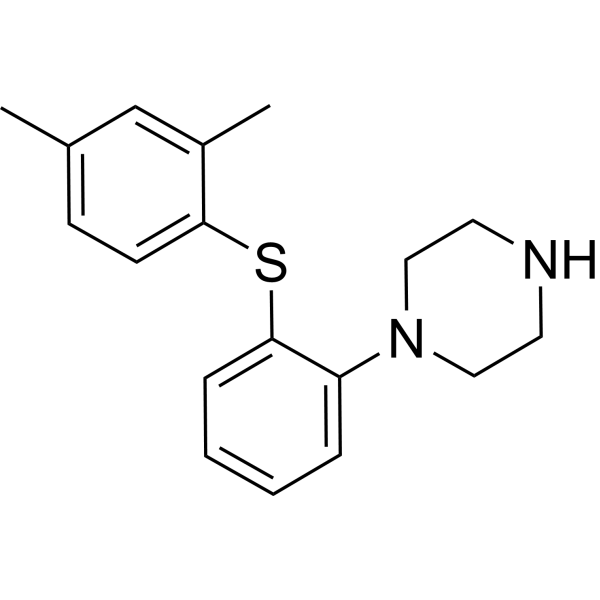 0 ImagesSynonyms: Lu AA 21004Vortioxetine (Lu AA 21004) is an antagonist of 5-HT3A and 5-HT7 receptors (Ki: 3.7 nM, 19 nM) and an inhibitor of serotonin transporter (SERT) (Ki: 1.6 nM), as well as a 5-HT1A agonist and a partial agonist of 5-HT1B (Ki: 15 nM, 33 nM).
-
8-OH-DPAT
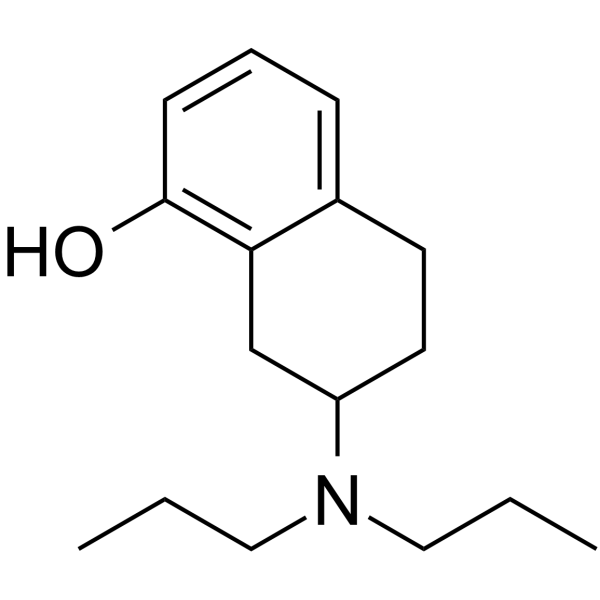 0 ImagesSynonyms: 8-Hydroxy-DPAT8-OH-DPAT is a potent, brain-penetrant and selective 5-HT agonist, with a pIC50 of 8.19 for 5-HT1A and a Ki of 466 nM for 5-HT7; 8-OH-DPAT weakly binds to 5-HT1B (pIC50, 5.42), 5-HT (pIC50 <5).
-
Vortioxetine hydrobromide
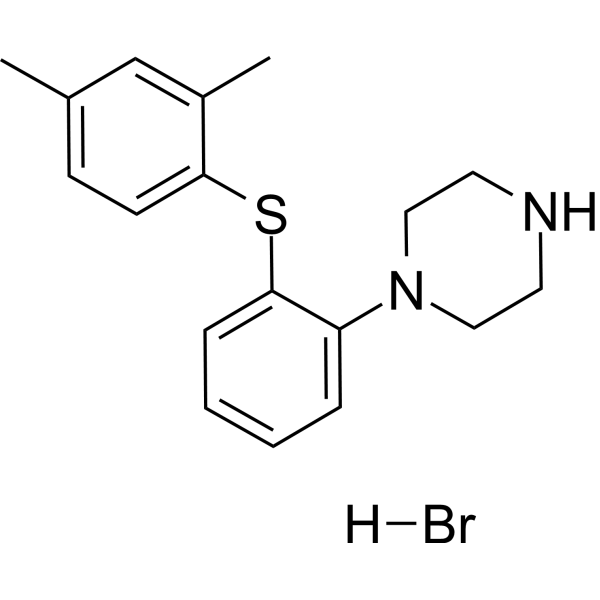 0 ImagesSynonyms: Lu AA21004 hydrobromideVortioxetine (Lu AA 21004) hydrobromide is an antagonist of 5-HT3A and 5-HT7 receptors (Ki: 3.7 nM, 19 nM) and an inhibitor of 5-hydroxytryptamine transporter (SERT) (Ki: 1.6 nM), as well as a 5-HT1A agonist and a partial 5-HT1B agonist (Ki: 15 nM, 33 nM).
-
SB-269970 hydrochloride
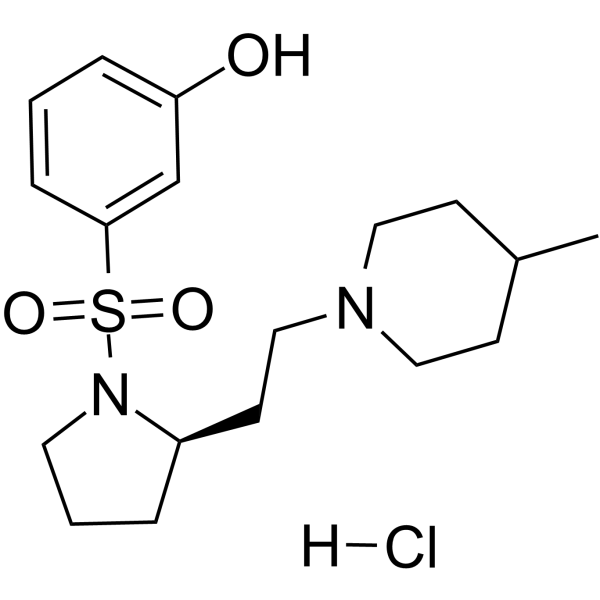 0 ImagesSynonyms: SB-269970ASB-269970 hydrochloride is a potent, selective and brain-penetrant 5-HT7 receptor antagonist with a pKi of 8.3. SB-269970 hydrochloride exhibits >50-fold selectivity against other 5-HT receptors.
-
Nuciferine
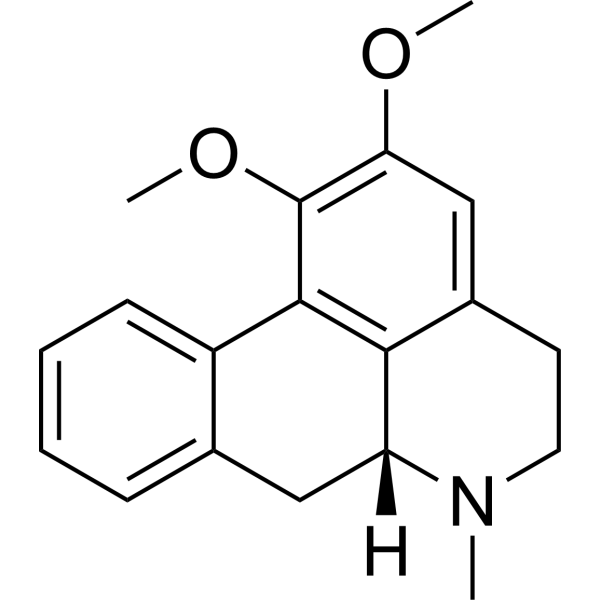 0 ImagesNuciferine is an antagonist at 5-HT2A (IC50=478 nM), 5-HT2C (IC50=131 nM), and 5-HT2B (IC50=1 μM), an inverse agonist at 5-HT7 (IC50=150 nM), a partial agonist at D2 (EC50=64 nM), D5 (EC50=2.6 μM) and 5-HT6 (EC50=700 nM), an agonist at 5-HT1A (EC50=3.2 μM) and D4 (EC50=2 μM) receptor.
-
Frovatriptan succinate hydrate (Standard)
 0 ImagesCat. No.: HY-B1658ARCAS No.: 158930-17-7Synonyms: (R)-Frovatriptan succinate hydrate (Standard); SB 209509 succinate hydrate (Standard); VML 251 succinate hydrate (Standard)Frovatriptan (succinate hydrate) (Standard) is the analytical standard of Frovatriptan (succinate hydrate). This product is intended for research and analytical applications. Frovatriptan succinate hydrate ((R)-Frovatriptan succinate hydrate) is a potent, high affinity, selective and orally active 5-HT1B (pK50 of 8.2) and 5-HT1D receptor agonist. Frovatriptan succinate hydrate exhibits >10-fold selectivity for 5-HT1B and 5-HT1D over 5-HT1A, 5-HT1F, and 5-HT7 and >1000-fold selectivity over other 5-HT, dopamine, histamine H1, and α1-adrenoceptor. Frovatriptan succinate hydrate has the potential for migraine research.
-
Nuciferine (Standard)
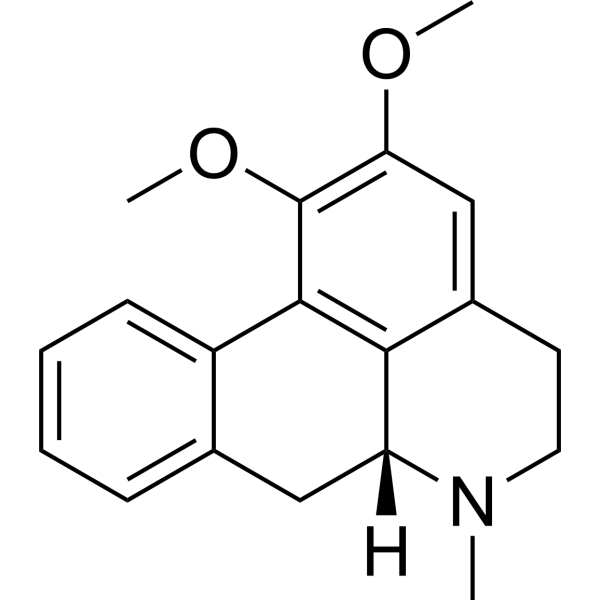 0 ImagesNuciferine (Standard) is the analytical standard of Nuciferine. This product is intended for research and analytical applications. Nuciferine is an antagonist at 5-HT2A (IC50=478 nM), 5-HT2C (IC50=131 nM), and 5-HT2B (IC50=1 μM), an inverse agonist at 5-HT7 (IC50=150 nM), a partial agonist at D2 (EC50=64 nM), D5 (EC50=2.6 μM) and 5-HT6 (EC50=700 nM), an agonist at 5-HT1A (EC50=3.2 μM) and D4 (EC50=2 μM) receptor.
-
Lurasidone
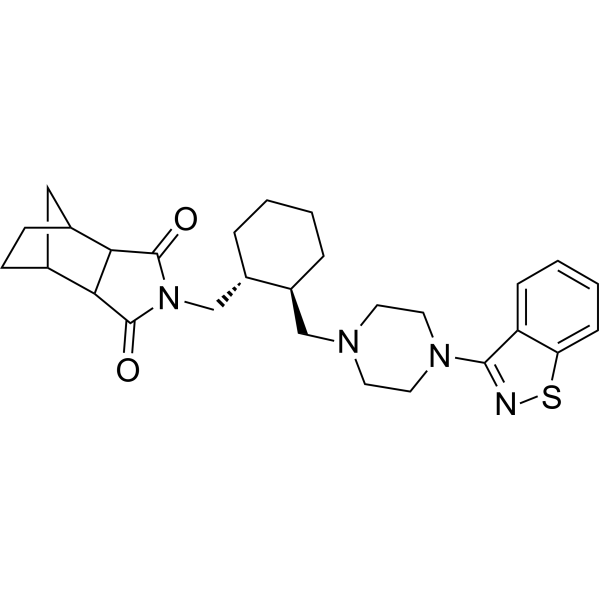 0 ImagesSynonyms: SM-13496Lurasidone (SM-13496) is an antagonist of both dopamine D2 and 5-HT7 with IC50s of 1.68 and 0.495 nM, respectively. Lurasidone (SM-13496) is also a partial agonist of 5-HT1A receptor with an IC50 of 6.75 nM.
-
Amisulpride
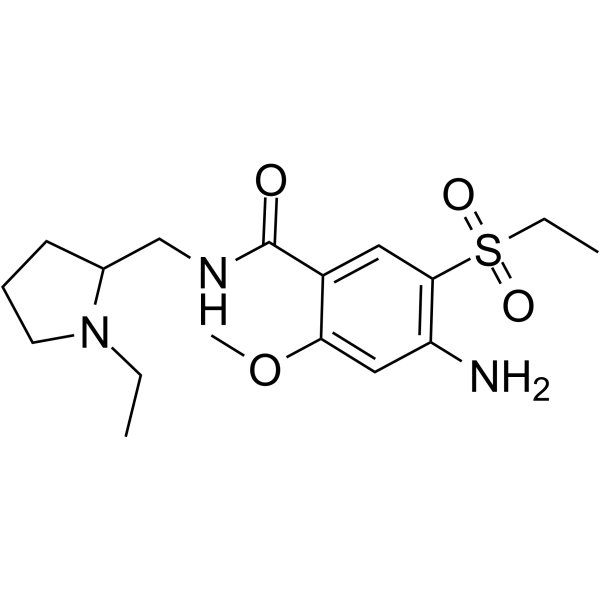 0 ImagesSynonyms: (Rac)-Aramisulpride; (Rac)-Esamisulpride; DAN 2163Amisulpride ((Rac)-Aramisulpride) is a racemic (50:50) mixture of the R-Amisulpride (HY-109167) and S-Amisulpride (HY-126068). Amisulpride is a dopamine D2/D3 receptor antagonist with Ki values of 2.8 and 3.2 nM for human dopamine b>D2 and b>D3, respectively. Amisulpride is a 5-HT7 receptor antagonist with a Ki of 44 nM. Amisulpride can be used in psychiatric research.
-
Methiothepin mesylate
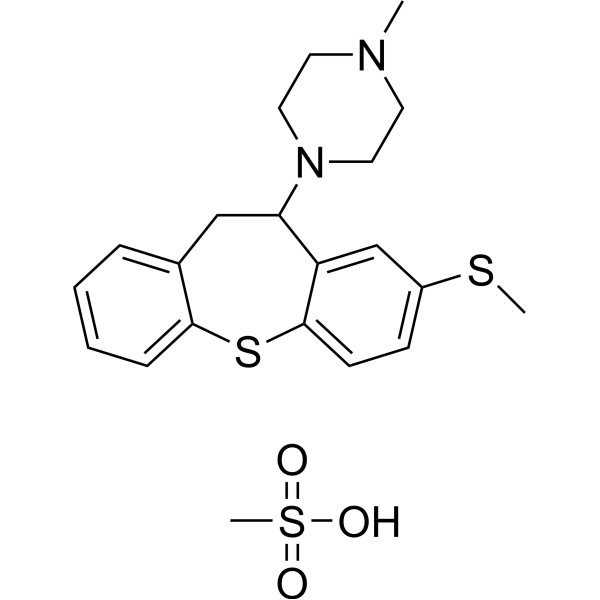 0 ImagesSynonyms: Metitepine mesylate; Ro 8-6837 mesylateMethiothepin (Metitepine) mesylate is a potent and non-selective 5-HT2 receptor antagonist, with pKds of 7.10 (5-HT1A), 7.28 (5HT1B), 7.56 (5HT1C), 6.99 (5HT1D), 7.0 (5-HT5A), 7.8 (5-HT5B), 8.74 (5-HT6), and 8.99 (5-HT7), and pKis of 8.50 (5HT2A), 8.68 (5HT2B), and 8.35 (5HT2C).
-
Metergoline
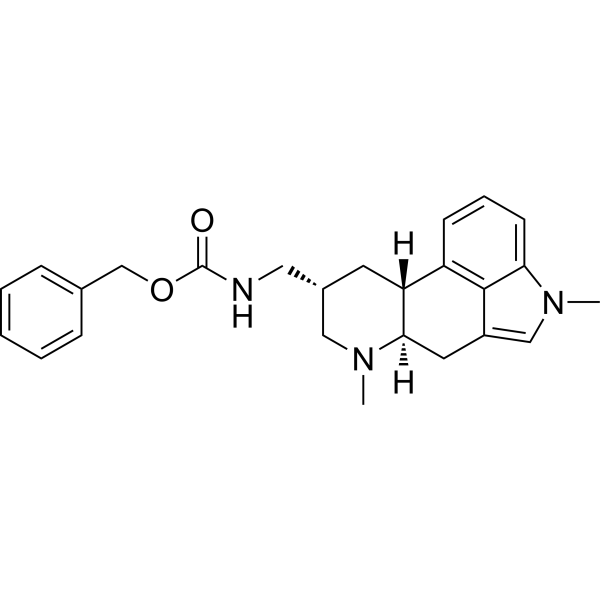 0 ImagesMetergoline is a serotonin (5-HT) receptor and dopamine receptors antagonist, with pKis of 8.64, 8.75 and 8.75 for 5-HT2A, 5-HT2B and 5-HT2C, respectively. Metergoline is a high-affinity ligand for the h5-HT7 receptor, with a Ki of 16 nM. Metergoline is also a reversible neural Na+ channels inhibitor. Metergoline is commonly used for the research of seasonal affective disorder, prolactin hormone regulation.
-
SB-269970
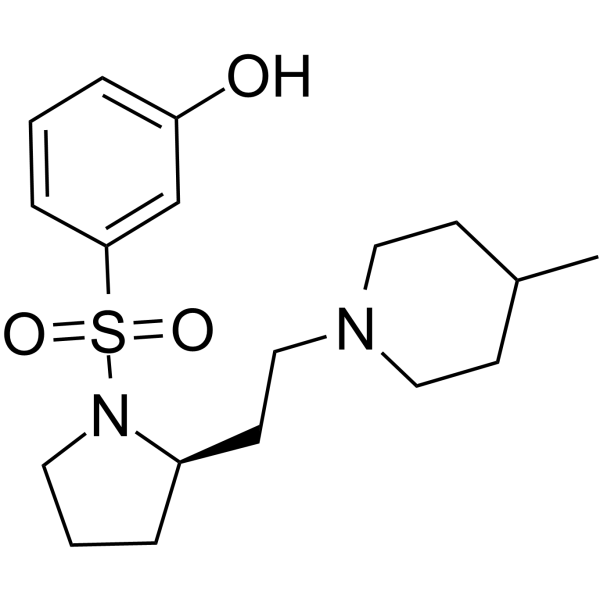 0 ImagesSB-269970 is a potent, selective and brain-penetrant 5-HT7 receptor antagonist with a pKi of 8.3. SB-269970 exhibits >50-fold selectivity against other 5-HT receptors.
-
LP-211
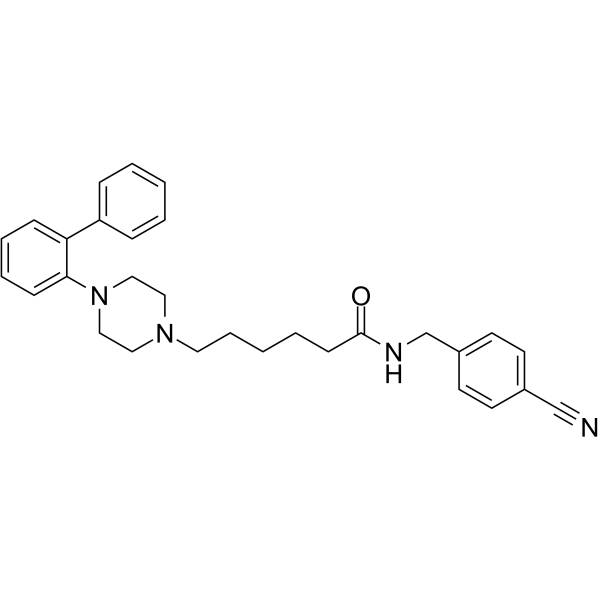 0 ImagesLP-211 is a selective and blood brain barrier penetrant 5-HT7 receptor agonist, with a Ki of 0.58 nM, with high selectivity over 5-HT1A receptor (Ki, 188 nM) and D2 receptor (Ki, 142 nM).
-
SB 258719
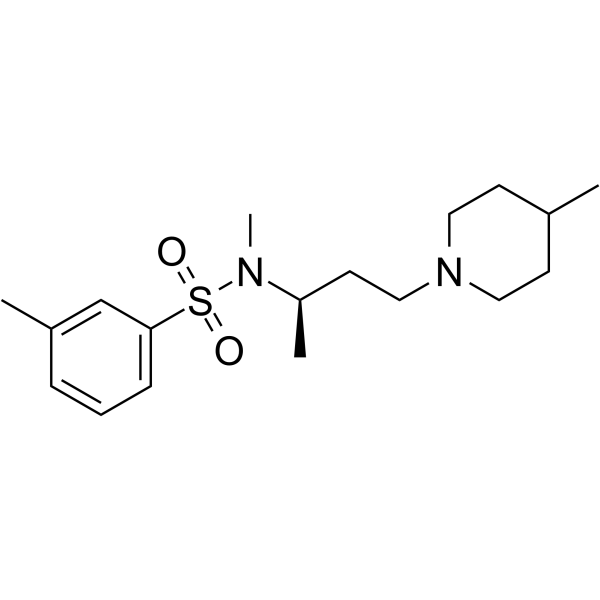 0 ImagesSB 258719 is a selective 5-HT7 receptor antagonist with high affinity (pKi=7.5) for the receptor. SB 258719 can be used for the research of cancer and neurological disease.
-
JNJ-18038683
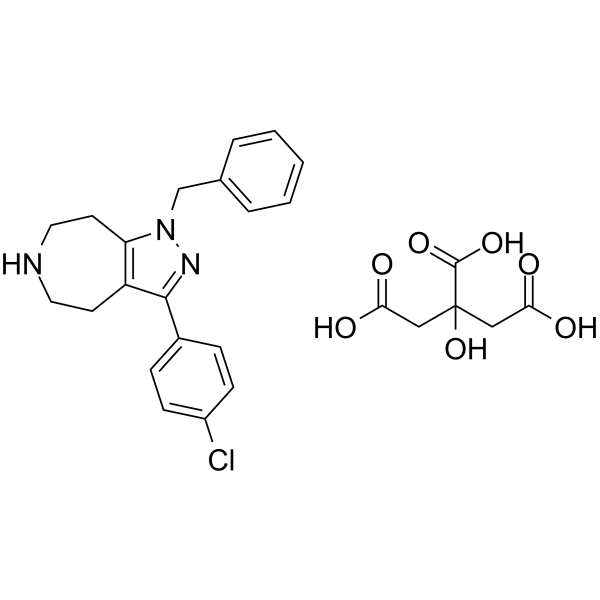 0 ImagesJNJ-18038683 is a 5-Hydroxytryptamine Type 7 (5-HT7) receptor antagonist, with pKis of 8.19, 8.20 for rat and human 5-HT7 in HEK293 cells, respectively.
-
Lurasidone Hydrochloride
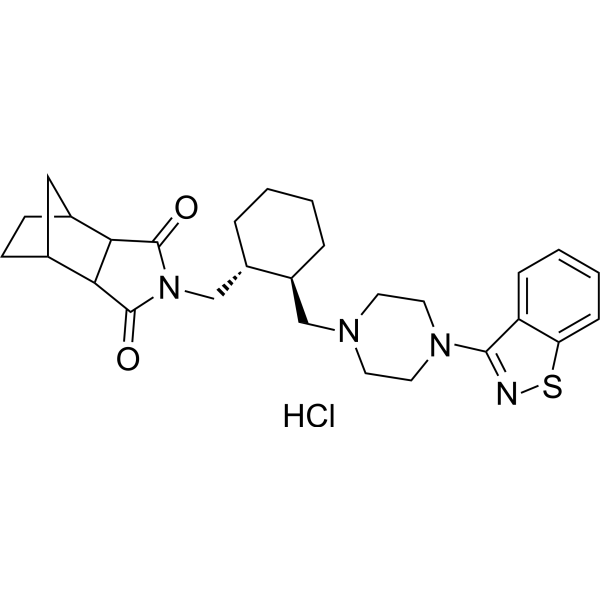 0 ImagesSynonyms: SM-13496 HydrochlorideLurasidone (Hydrochloride) (SM-13496 (Hydrochloride)) is an antagonist of both dopamine D2 and 5-HT7 with IC50s of 1.68 and 0.495 nM, respectively. Lurasidone (Hydrochloride) (SM-13496 (Hydrochloride)) is also a partial agonist of 5-HT1A receptor with an IC50 of 6.75 nM.
-
Norquetiapine
 0 ImagesSynonyms: N-DesalkylquetiapineNorquetiapine ( N-Desalkylauetiapine), a metabolite of Quetiapine (HY-14544), is a selective HCN1 channel inhibitor, with an IC50 of 13.9 μM. Norquetiapine selectively inhibits noradrenaline reuptake, is a partial 5-HT1A (Ki = 45 nM) receptor agonist, and acts as an antagonist at presynapticα2 (Ki = 237 nM), 5-HT2C(Ki = 107 nM), and 5-HT7 (Ki = 76 nM) receptors. Norquetiapine blocks the human cardiac sodium channel Nav1.5 in a state-dependent manner. Norquetiapine shows partial anti-inflammatory effects in LPS (HY-D1056) injected C57BL/6 mice. Norquetiapine can be used for the study of depression and inflammation.
-
LP44 hydrochloride
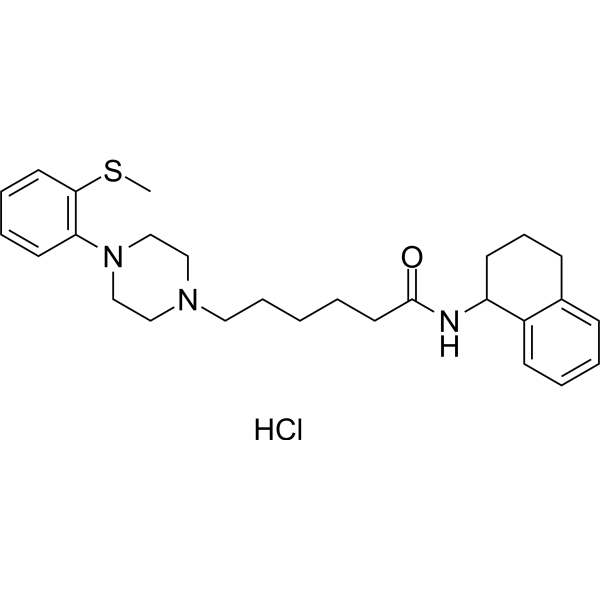 0 ImagesLP44 (hydrochloride) is a selective 5-HT7 agonist with Ki of 0.22 nM. LP44 (hydrochloride) induces hypothermic effect in a dose-dependent manner by intracerebroventricular injection. LP44 (hydrochloride) not causes considerable hypothermic response by intraperitoneal administration.
-
AS19
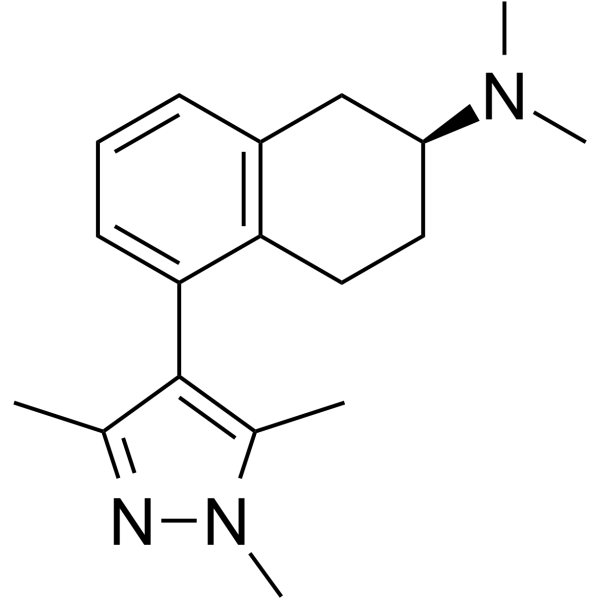 0 ImagesAS19 is a potent, selective 5-HT7 receptor agonist with an IC50 value of 0.83 nM and a Ki of 0.6 nM. AS19 is selective for 5-HT7 over 5-HT1A, 5-HT1B, 5-HT1D, and 5-HT5A receptors (Kis = 89.7 nM, 490 nM, 6.6 nM and 98.5 nM, respectively). AS19 enhances memory consolidation and reverses Scopolamine- or Dizocilpine-induced amnesia.



